Your HR Manager Is Drowning. But You’re Not Ready for a VP.
Fractional HR makes sense when a business has outgrown informal people practices but isn't ready for a full-time Head of People or VP HR. Leaders get senior HR support right away, at a fraction of the cost and without the months it takes to recruit an executive.
When leaders reach out about fractional HR, they are rarely calling because they need a handbook. They're usually calling because the business has reached a point where the people side of the organization is becoming harder to manage than it used to be.
I remember one conversation in particular with a small business owner who felt like every people-related issue eventually found its way back to her desk. Managers were coming to her for support with employee situations, hiring decisions were taking longer than they should have, and several important initiatives had been discussed repeatedly without ever gaining traction. The company was growing, which was exciting, but growth had introduced a level of complexity that nobody had really anticipated.
As we talked, it became clear that there wasn't one major problem to solve. Instead, there were a dozen smaller issues that were all connected. Managers were leading larger teams than they had ever led before, but they had never received formal leadership training. New employees were joining the company regularly, yet there was no consistent onboarding process. Hiring was becoming increasingly important because every new employee had a significant impact on the business, but each manager approached recruitment differently. The leadership team had been talking about succession planning, manager development, and performance management for more than a year, yet none of those initiatives had moved beyond discussion.
The leadership team could clearly see where the opportunities were. The challenge was that nobody had the capacity to own the work.
Most Growing Companies Know What Needs Attention
Many growing businesses already have someone supporting HR. They may have an HR Coordinator, HR Generalist, HR Manager, or Office Manager who is doing excellent work. The problem is that those individuals are often balancing recruitment, onboarding, employee relations, employee questions, policy administration, and the dozens of issues that arise throughout a normal week.
Strategic initiatives are important, but urgent work tends to win.
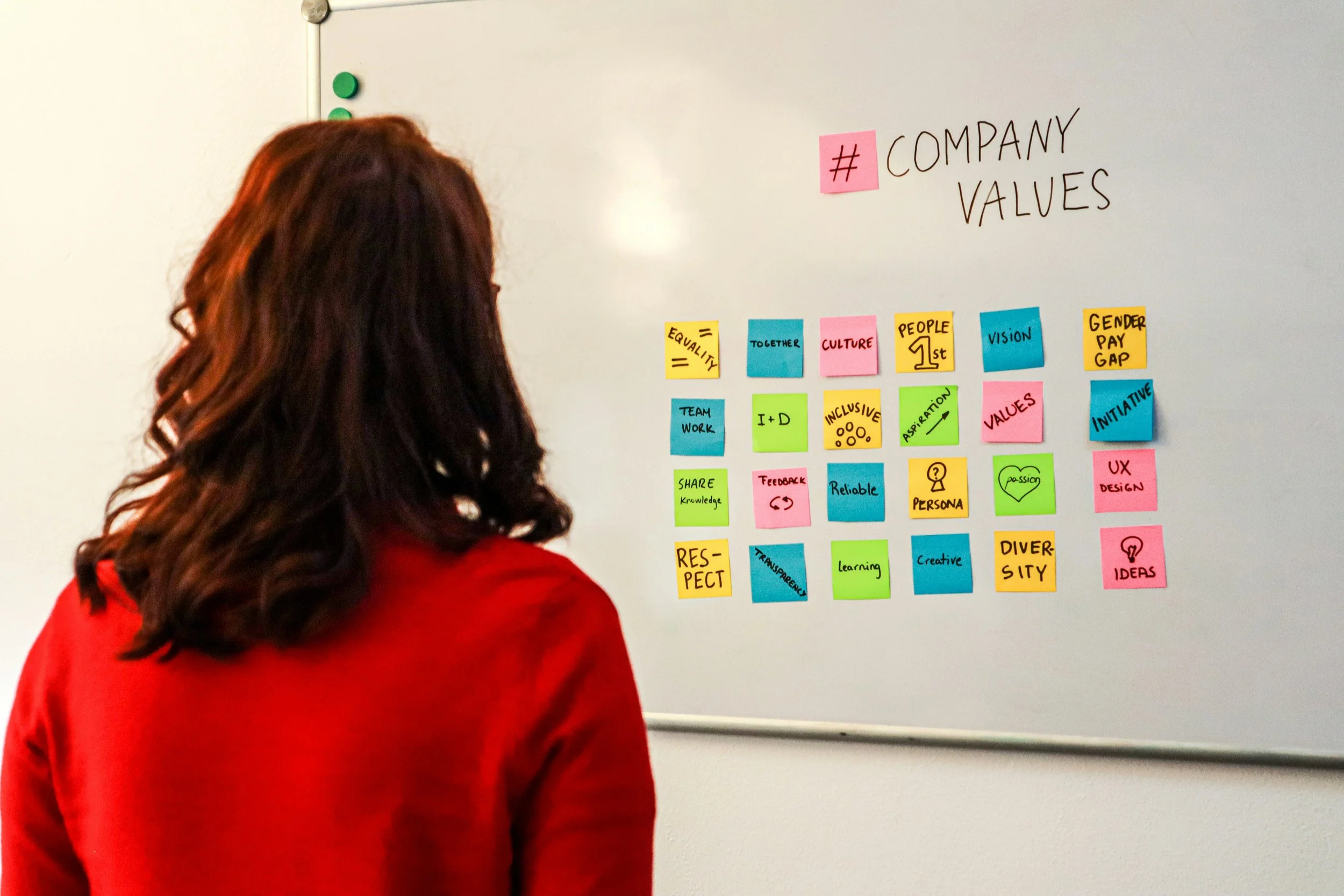
As a result, manager training remains on the wish list. Succession planning gets discussed but never fully built. Performance management is revisited every few months without ever gaining traction. Leaders continue talking about the same priorities because nobody has the dedicated capacity to own them.
What Fractional HR Actually Looks Like
For many small and mid-sized businesses, fractional HR fills a very specific gap. The organization has outgrown the stage where people practices can be managed informally, but it hasn’t reached the point where hiring a full-time Head of People or VP HR is the right investment.
What leaders often need is senior-level expertise without the cost, commitment, and ramp-up time associated with a full-time executive hire. That’s where fractional HR can be incredibly effective.
Instead of spending months recruiting for a senior HR leader, organizations gain access to experienced support immediately. Someone who can partner with the leadership team, assess what is happening across the business, establish priorities, and begin moving important work forward.
In many cases, that person works alongside an existing HR team rather than replacing it.
One of my favourite parts of fractional work is partnering with capable HR Managers and HR Generalists who understand the business well but simply don’t have the time or resources to tackle everything on their plate. While they continue supporting employees and managing day-to-day priorities, I can focus on larger initiatives such as manager development, performance management, succession planning, organizational design, talent strategy, or leadership development.
The result is that important work finally starts moving.
The Value Is Bigger Than The Project
More often than not, the impact extends well beyond the initiative that started the conversation.
A client may initially reach out because they need help with hiring. Six months later, the conversation has shifted to manager capability, employee development, and creating more consistency across teams.
Another organization may begin with leadership training. Over time, leaders find themselves spending less time resolving employee issues, managers become more confident in their decision-making, and the business gains a stronger foundation for growth.
What changes is not simply the process or program being implemented. What changes is the organization’s capacity to build the people side of the business intentionally rather than reactively.
The Takeaway
The companies that benefit most from fractional HR are looking for a long-term, embedded partner who can help them move important work forward.
They are looking for someone who can step into the space between knowing what needs to happen and having the capacity to make it happen. Someone who can help build stronger managers, more consistent employee experiences, better hiring practices, and the systems required to support future growth.
When people ask me what fractional HR actually looks like inside a growing business, that’s usually my answer.
It looks like progress on the people initiatives everyone agrees are important but nobody has had the time to own. It looks like greater consistency, stronger leadership, and clearer foundations. Most importantly, it looks like creating the capacity to build the kind of organization leaders have been envisioning for years but haven’t had the opportunity to focus on until now.
👉 If your business has outgrown the capacity of your current HR function but isn’t ready for a full-time Head of People, book an intro call to explore whether fractional HR could be the right fit.